


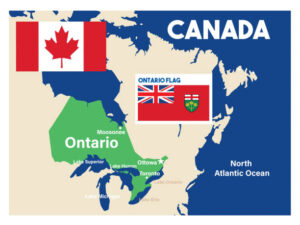
Canada remains one of the top destinations for immigrants seeking better job opportunities and a higher standard of living. Among its provinces, Ontario, British Columbia, and Alberta stand out as the best places offering diverse employment options for immigrants. Ontario, with cities like Toronto and Ottawa, is the economic powerhouse of Canada, hosting thriving sectors such as technology, finance, healthcare, and education.
This comprehensive guide explores the top provinces often referred to as “states” in Canada where immigrants are most likely to thrive professionally. We will analyze job sectors, economic conditions, average salaries, and immigration pathways that make each of these provinces a magnet for skilled, semi skilled, and unskilled workers.
Additionally, we’ll cover important aspects such as work permits, settlement services, and cost of living to give you a full picture of what to expect. So, let’s dive in and discover where your skills are most needed in the Canadian workforce.
READ ALSO: House and Office Cleaner Job Opportunities in The Netherlands — Apply Today
Ontario – Canada’s Economic Powerhouse
Why Ontario?
Ontario, home to cities like Toronto, Ottawa, and Mississauga, is the economic engine of Canada. It boasts a large share of the country’s population and GDP. With its diverse job market and immigrant-friendly environment, Ontario tops the list for newcomers looking for work.

Top Job Sectors in Ontario
- Information Technology (IT): Toronto is a major North American tech hub with growing demand for software engineers, developers, and cybersecurity experts.
- Healthcare: Nurses, personal support workers (PSWs), and physicians are in high demand.
- Finance: Toronto hosts the country’s financial district, providing numerous opportunities in banking, insurance, and fintech.
- Education and Public Services: With several universities and government institutions, professionals in education and administration find ample opportunities.
Salaries and Work Conditions
On average, salaries in Ontario are higher than in many other provinces. IT professionals can earn between CAD $70,000 to $120,000 annually, while healthcare workers earn CAD $50,000 to $100,000, depending on their role and experience. Moreover, Ontario has one of the most advanced labor laws, ensuring workplace safety and benefits.
Immigration Pathways
- Ontario Immigrant Nominee Program (OINP)
- Express Entry (via OINP streams)
- Job Offer: Employer Job Offer Streams for foreign workers
British Columbia – Tech Innovation and Natural Beauty
Why British Columbia?
British Columbia (BC), particularly Vancouver and Victoria, offers a unique blend of employment opportunities and high quality of life. Its booming tech industry and strong tourism sector attract thousands of immigrants annually.
Top Job Sectors in BC
- Technology: The province’s BC Tech Pilot Program targets software engineers, UI/UX designers, and data scientists.
- Construction and Real Estate: Vancouver’s housing market fuels demand for electricians, plumbers, and project managers.
- Hospitality and Tourism: The industry needs cooks, hotel staff, and event coordinators.
- Green Economy: There’s growing demand for workers in environmental science and clean energy.
Salaries and Work Conditions
Tech professionals can earn between CAD $75,000 to $130,000 per year. Construction and trades jobs pay around CAD $25–$40 per hour, depending on experience and location. BC is also known for its strong labor rights and healthcare coverage.
Immigration Pathways
- British Columbia Provincial Nominee Program (BCPNP)
- BC Tech Pilot Stream
- Express Entry BC
Alberta – The Energy and Trades Hub
Why Alberta?
Alberta is a land of opportunity, particularly for those with expertise in energy, oil and gas, agriculture, and construction. Calgary and Edmonton are Alberta’s key urban centers offering significant employment to immigrants.
Top Job Sectors in Alberta
- Oil and Gas: Engineers, geologists, and pipeline workers are in high demand.
- Agriculture: Seasonal farm workers, food processing staff, and dairy workers find steady employment.
- Construction and Manufacturing: Welders, crane operators, and industrial electricians are essential to the province’s infrastructure.
- Healthcare: Alberta needs registered nurses, care aides, and medical lab technicians.
Salaries and Work Conditions
Due to the energy industry, Alberta has some of the highest average wages in the country. Oil and gas professionals can earn over CAD $100,000 annually. Construction workers and tradespeople make CAD $30–$50/hour. Additionally, Alberta does not have a provincial sales tax, making it financially attractive.
Immigration Pathways
- Alberta Advantage Immigration Program (AAIP)
- Alberta Express Entry Stream
- Rural Renewal and Rural Entrepreneur Streams
Quebec – For French-Speaking Professionals
Why Quebec?
If you speak French or are willing to learn, Quebec can be an excellent place to work and live. Montreal, Quebec City, and Sherbrooke are the primary job hubs.
Top Job Sectors in Quebec
- Aerospace and Aviation: Montreal is a major hub for aviation engineers and technicians.
- Healthcare and Social Services: French speaking nurses and caregivers are always needed.
- IT and Telecommunications: Growing demand for software and hardware engineers.
- Creative Industries: Opportunities in design, arts, and video game development are abundant.
Salaries and Work Conditions
Salaries in Quebec are slightly lower compared to Ontario and Alberta. However, the cost of living is also lower, particularly outside Montreal. Healthcare and social services professionals can earn CAD $45,000–$90,000 yearly.
Immigration Pathways
- Quebec Skilled Worker Program (QSWP)
- Quebec Experience Program (PEQ)
- Arrima portal for selection
Manitoba – Affordable and Friendly for Newcomers
Why Manitoba?
Manitoba offers a balanced lifestyle with a low cost of living and strong community support for immigrants. Winnipeg, the capital, is a growing city with job opportunities across several sectors.
Top Job Sectors in Manitoba
- Manufacturing and Logistics: Warehouse workers, forklift operators, and production supervisors are in demand.
- Healthcare: High demand for nurses, care aides, and therapists.
- Agriculture: Grain farming and food processing industries employ many immigrants.
- IT and Administration: Government services and IT companies are hiring.
Salaries and Work Conditions
Manitoba pays slightly lower than Ontario or Alberta, but housing is significantly cheaper. Entry level salaries range from CAD $35,000 to $60,000, while skilled professionals earn CAD $60,000–$90,000 annually.
Immigration Pathways
- Manitoba Provincial Nominee Program (MPNP)
- International Education Stream
- Skilled Workers Overseas Stream
Saskatchewan – Land of Growing Opportunities
Why Saskatchewan?
Saskatchewan has one of the highest employment rates for newcomers. Its expanding economy and active provincial nominee program make it a top choice for immigrants.
Top Job Sectors in Saskatchewan
- Mining and Natural Resources: Engineers and machine operators are essential.
- Healthcare: Doctors, nurses, and home support workers are needed in rural and urban areas.
- Agriculture: Opportunities for seasonal and permanent workers in crop and livestock farming.
- Trades and Skilled Labor: Welder, machinist, and heavy duty mechanic roles are readily available.
Salaries and Work Conditions
Mining and engineering jobs pay over CAD $90,000 annually. Agricultural workers typically earn CAD $20–$30/hour. The province also has a low unemployment rate, creating a favorable job market.
Immigration Pathways
- Saskatchewan Immigrant Nominee Program (SINP)
- Express Entry and Occupations In Demand Categories
- Saskatchewan Hard to Fill Skills Pilot
READ ALSO: Unskilled Jobs in Germany: A Comprehensive Guide for African Job Seekers
Nova Scotia – The Gateway to the Atlantic
Why Nova Scotia?
Nova Scotia, with its capital Halifax, offers a peaceful lifestyle, scenic beauty, and increasing demand for skilled workers.
Top Job Sectors in Nova Scotia
- Oceans and Marine Tech: Specialized engineers and marine biologists are needed.
- Healthcare and Elder Care: Nurses and home care professionals are in short supply.
- Education and Public Services: Demand for teachers and public administrators is growing.
- Hospitality and Retail: Seasonal jobs in hotels, restaurants, and retail stores.
Salaries and Work Conditions
Healthcare professionals can earn CAD $60,000–$95,000. Entry level positions in hospitality and retail average CAD $16–$20/hour. Additionally, Nova Scotia is known for its work life balance.
Immigration Pathways
- Nova Scotia Nominee Program (NSNP)
- Nova Scotia Experience: Express Entry
- Occupations in Demand Stream
Key Factors to Consider When Choosing a Province
1. Cost of Living
While Alberta and Manitoba offer lower living costs, Ontario and British Columbia are more expensive, especially in housing.
2. Language Requirements
Quebec requires French proficiency. Most other provinces primarily use English, though bilingualism can be a plus.
3. Settlement Services
Ontario and BC have the most comprehensive immigrant support services, including language classes, career counseling, and networking events.
4. Long-Term Residency and Citizenship
All provinces allow permanent residents to eventually apply for Canadian citizenship after meeting residency requirements, but pathways may differ slightly.
Final Thoughts
Choosing the right province is a crucial step in building a successful career in Canada. Whether you’re a tech expert eyeing Ontario, a nurse heading to Nova Scotia, or a tradesperson targeting Alberta, opportunities are plentiful across Canada’s provinces. Each offers a unique lifestyle, different job markets, and distinct immigration processes.
Therefore, research thoroughly, assess your career goals, and take proactive steps to apply through the right immigration channel. With the right planning and persistence, your Canadian dream is well within reach.
FAQs
1. Which province in Canada is easiest to immigrate to for jobs?
Currently, Saskatchewan and Nova Scotia are considered the most accessible due to their flexible nominee programs and labor shortages.
2. Can I get a job in Canada without a work permit?
No, a valid work permit is usually required unless you qualify under specific exemptions like international agreements or student visas with work rights.
3. What are the highest paying jobs for immigrants in Canada?
IT professionals, engineers, healthcare workers, and oil & gas engineers tend to have the highest salaries.
4. Do I need Canadian work experience to get hired?
While not mandatory, Canadian experience is highly valued. Volunteering, internships, or bridging programs can help gain local experience.
5. Which provinces offer free healthcare for immigrants?
All provinces offer healthcare, but waiting periods may apply. Ontario, British Columbia, and Alberta typically provide quicker access for permanent residents.

2 Comments
Elizabeth how are you doing
Give me your WhatsApp number to call you, I love you and I need you