

Canada has become one of the top destinations for skilled foreign workers, especially in trades such as heavy duty mechanics. With its strong economy, continuous infrastructure growth, and ever expanding industrial sector, Canada constantly needs qualified professionals to maintain and repair heavy machinery, trucks, and equipment. For foreign workers, this demand has created opportunities not only for employment but also for migration through visa sponsorship programs.
If you are a heavy duty mechanic looking for a rewarding career abroad, Canada is one of the best countries to explore. In this guide, we will walk you through everything you need to know about heavy duty mechanic jobs with visa sponsorship in Canada. From job responsibilities and salary expectations to visa options and settlement tips, you will gain a complete roadmap to start your journey.
Who Is a Heavy Duty Mechanic?
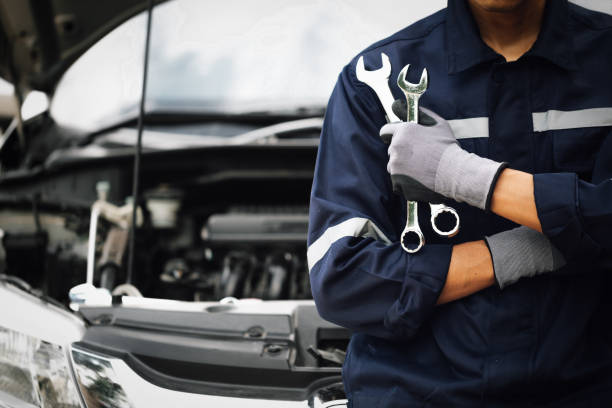
A heavy duty mechanic, also called a heavy equipment technician in Canada, is a skilled tradesperson who inspects, repairs, and maintains heavy equipment and large machinery. These machines include trucks, bulldozers, excavators, cranes, graders, loaders, and other construction or mining vehicles.
READ ALSO: Top Remote Job Opportunities in 2025 Apply Now
Heavy duty mechanics ensure that these machines are safe, reliable, and fully functional. Since heavy machinery plays a vital role in construction, mining, forestry, and transportation, the demand for mechanics is always high.
Job Duties of Heavy Duty Mechanics in Canada
Before applying for jobs, it’s essential to understand the responsibilities of a heavy duty mechanic in Canada. According to the National Occupational Classification (NOC 72401 Heavy duty equipment mechanics), the duties include:
- Inspecting large equipment to detect faults and malfunctions.
- Diagnosing mechanical, hydraulic, and electrical problems.
- Adjusting equipment and replacing defective parts.
- Using computerized diagnostic systems for troubleshooting.
- Testing repaired equipment for performance and safety.
- Performing preventive maintenance on trucks and heavy machinery.
- Keeping maintenance records and service logs.
- Operating hoisting and lifting devices to repair components.
- Welding and fabricating parts when necessary.
In addition, mechanics often work in repair shops, at construction sites, in trucking companies, or in mining and oilfield operations.
Why Canada Needs Heavy Duty Mechanics
Canada’s economy depends heavily on industries such as mining, forestry, construction, oil & gas, and transportation. These industries rely on heavy equipment every day. With ongoing infrastructure projects and growing demand for goods transportation, the need for mechanics continues to rise.

Moreover, Canada is facing a shortage of skilled trades workers due to an aging workforce and fewer young Canadians choosing trades as a career path. As a result, employers actively recruit foreign mechanics and are willing to offer visa sponsorship for qualified candidates.
Salary Expectations for Heavy Duty Mechanics in Canada
One of the biggest advantages of working in Canada as a heavy duty mechanic is the competitive salary. On average, salaries range between CAD $55,000 and CAD $95,000 per year, depending on location, experience, and employer.
- Entry level mechanics: $25 to $30 per hour.
- Experienced mechanics: $35 to $45 per hour.
- Highly specialized mechanics (in mining or oilfield sectors): up to $50 per hour.
Additionally, many employers offer overtime pay, bonuses, health insurance, and pension benefits.
Provinces with High Demand for Heavy Duty Mechanics
While heavy duty mechanics are needed across Canada, some provinces offer more job opportunities than others.
- Alberta With its strong oil, gas, and mining industry, Alberta offers some of the highest paying jobs for mechanics.
- British Columbia The forestry and construction industries create a constant demand for skilled heavy duty technicians.
- Saskatchewan Mining, agriculture, and trucking sectors are growing, creating job opportunities.
- Ontario The largest province, with many construction and transportation companies, needs mechanics.
Manitoba Known for agriculture and trucking, it also requires skilled mechanics.
Visa Sponsorship for Heavy Duty Mechanics
Foreign workers often worry about how they can legally move to Canada and start working. Fortunately, Canada offers multiple pathways for heavy duty mechanics through visa sponsorship programs.
1. Temporary Foreign Worker Program (TFWP)
Canadian employers can hire foreign workers if they cannot find local talent. To do this, they apply for a Labour Market Impact Assessment (LMIA), which proves that hiring a foreign worker will not harm Canadian workers. With an LMIA approved job offer, you can apply for a work permit.
2. Provincial Nominee Program (PNP)
Many provinces nominate foreign workers for permanent residency if they have a job offer. For example, Saskatchewan, Alberta, and Manitoba often nominate heavy duty mechanics under their PNP streams.
3. Express Entry Federal Skilled Trades Program (FSTP)
Heavy duty mechanics fall under skilled trades, making them eligible for Canada’s Express Entry system. With enough experience and a valid job offer, you can qualify for permanent residency.
4. Atlantic Immigration Program (AIP)
If you secure a job in the Atlantic provinces (New Brunswick, Newfoundland and Labrador, Nova Scotia, or Prince Edward Island), you may be eligible for permanent residency through this program.
5. Rural and Northern Immigration Pilot (RNIP)
Smaller Canadian communities often sponsor skilled trades workers, including mechanics, to help fill local labor shortages.
How to Apply for Heavy Duty Mechanic Jobs with Visa Sponsorship
If you are ready to start your Canadian journey, here are the steps to follow:
- Prepare your resume and cover letter Tailor them to Canadian standards. Highlight your technical skills, certifications, and experience.
- Search for jobs Use Canadian job boards such as JobBank, Indeed, Workopolis, and LinkedIn. Focus on employers that mention “LMIA available” or “visa sponsorship.”
- Apply directly to employers Send applications to companies in the trucking, construction, mining, and oilfield industries.
- Attend interviews Be ready for virtual interviews. Employers will assess both your technical and communication skills.
- Secure a job offer Once you receive an offer, your employer will handle the LMIA application.
- Apply for a work permit With the LMIA and job offer, you can apply for your Canadian work visa.
Plan relocation After your work permit is approved, arrange travel and settlement plans.
Skills and Qualifications Needed
Canadian employers prefer mechanics who not only have hands on experience but also certain qualifications.
- Formal education: Completion of a heavy duty mechanic apprenticeship program (usually 4 years).
- Experience: At least 2–5 years of work experience.
- Certification: Red Seal Endorsement (if you plan to become licensed in Canada).
- Soft skills: Problem solving, teamwork, communication, and safety awareness.
Language: Proficiency in English or French is essential.
Benefits of Working as a Heavy Duty Mechanic in Canada
There are several reasons why foreign mechanics choose Canada as their career destination:
- High salary and overtime opportunities.
- Pathway to permanent residency.
- Family sponsorship options.
- Access to free healthcare and education for dependents.
- Opportunities to upgrade skills and earn Canadian certifications.
Stable and safe work environment.
Challenges to Expect
While the opportunities are excellent, it’s important to prepare for challenges:
- Adapting to Canada’s cold weather.
- Cost of living in larger cities.
- Licensing and certification requirements.
- Competition for jobs in urban centers.
By being prepared, you can overcome these challenges and succeed in your Canadian career.
Tips for a Successful Job Search
- Network with Canadian professionals on LinkedIn.
- Apply to smaller towns and rural areas, as they have higher demand and are more open to sponsoring foreign workers.
- Keep upgrading your skills welding, hydraulics, and electrical diagnostics are highly valued.
- Be flexible with job offers starting in remote areas can fast track your permanent residency.
Consider apprenticeships some employers sponsor foreign apprentices who later become permanent staff.
Future Outlook for Heavy Duty Mechanics in Canada
The future looks bright for heavy duty mechanics in Canada. According to industry forecasts, the demand for mechanics will remain strong until at least 2030. With thousands of retirements expected, foreign workers will continue to play a key role in filling these gaps.
Moreover, as Canada invests in green energy and infrastructure, the need for technicians who can maintain new types of heavy machinery will increase.
Frequently Asked Questions (FAQs)
1. Can I move to Canada as a heavy-duty mechanic without a job offer?
Yes, through Express Entry (Federal Skilled Trades Program), but having a job offer increases your chances significantly.
2. Do employers really sponsor visas for mechanics?
Yes, especially in industries facing shortages. Many companies are willing to provide LMIA and work permits.
3. How much experience do I need?
Most employers require at least 2–5 years of experience.
4. Can I bring my family with me?
Yes, with a valid work permit, your spouse can apply for an open work permit, and your children can study in Canada.
5. Do I need to get Canadian certification before working?
Not always. Many employers hire foreign trained mechanics first, and you can pursue certification later.
Conclusion
Heavy duty mechanics are among the most in demand skilled trades in Canada. With industries like construction, mining, and transportation relying heavily on machinery, employers are constantly searching for qualified mechanics. For foreign workers, this demand opens the door to exciting opportunities, competitive salaries, and pathways to permanent residency through visa sponsorship.
By preparing your resume, upgrading your skills, and applying strategically, you can secure a sponsored job and begin building a future in Canada. If you are ready to take the leap, now is the perfect time to start your journey as a heavy duty mechanic in Canada.
